
How Much Does a VR Arcade Machine Cost?
VR arcade machines have become a popular attraction in shopping malls, amusement centers, and entertainment venues around the world. By combining virtual reality technology with motion platforms, interactive seats, and immersive visual effects, these machines offer experiences that go far beyond home VR gaming. For many people, a VR arcade machine is their first real encounter with high-end virtual reality.
But how much does a VR arcade machine actually cost? The price can vary significantly depending on the type of machine, the level of immersion, hardware quality, content included, and whether the system is designed for single-player or multiplayer use. In this article, we will break down the main factors that influence VR arcade machine pricing and help you understand what you are really paying for.
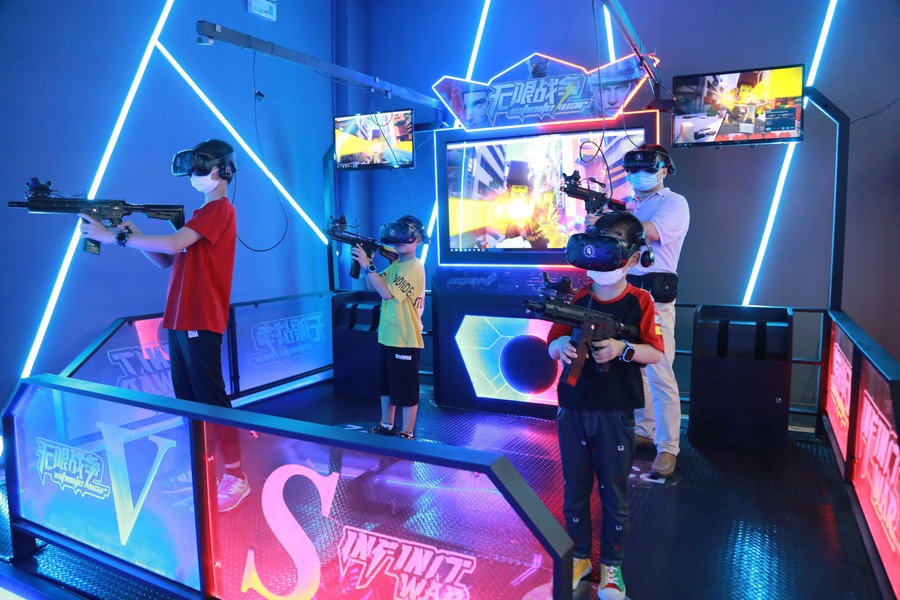
How Much Does a VR Arcade Machine Cost? | A Realistic Pricing Guide for Operators
The price of a commercial VR arcade machine is directly tied to its complexity, immersion level, and target throughput. Below is a realistic framework for common commercial setups:
| VR Arcade Attraction Type | Estimated Price Range (USD) | Core Components & Value Proposition | Target Venue & ROI Model |
|---|---|---|---|
| Standalone VR Booth (Stationary) | $15,000 – $35,000 | High-end consumer/pro-sumer VR headsets (e.g., Varjo, Vive Focus 3), powerful PC, hygiene kits, management software. Value: Accessible entry point for VR experiences. | Small FECs, bowling alleys, cinema lobbies. Lower per-session ticket, higher volume model. |
| VR Motion Simulator (3-DOF Platform) | $40,000 – $85,000 | Commercial motion base (pitch, roll, heave), industrial PC, professional headset, thematic enclosure/cabin, environmental effects (fans, vibro). Value: The sweet spot for immersion; physical motion justifies premium pricing. | Core attraction for dedicated VR arcades, large FECs, entertainment centers. Strong per-capita revenue and repeat play. |
| High-Fidelity Racing/Flight Sim (6-DOF) | $80,000 – $150,000+ | High-performance 6-DOF motion platform, force-feedback steering/yoke, hydraulic pedals, professional-grade visuals/audio. Value: Unmatched realism for enthusiasts and simulation-based entertainment or education. | Premium racing sim centers, flagship LBE locations, STEM and discovery centers. Premium pricing, destination appeal. |
| Large-Scale Free-Roam VR Arena | $100,000 – $250,000+ | Multi-user tracking system (10x10m+), multiple high-end PC backpacks, proprietary software, themed physical sets, dedicated room. Value: Ultimate social, group-based immersive experience. | Dedicated VR arena business, large theme park zones, mega-attractions. High group ticket revenue, extended session times. |
Key Cost Drivers: What You’re Really Paying For
Understanding these factors is crucial for evaluating quotes and making an informed decision.
-
The Motion Platform (The Primary Cost Driver):
This is the single largest differentiator. A static booth is the most affordable; adding motion exponentially increases cost and perceived value. A 3-DOF platform provides thrilling movement for general experiences, while a 6-DOF platform (capable of precise, complex movements) is for top-tier simulation. The actuators, structural engineering, and safety systems account for a major portion of the budget. -
Visual Fidelity & User Interface:
-
Headsets: Commercial units require durable, hygienic headsets with high-resolution displays, often with quicker swap systems, which cost more than consumer models.
-
Visual Setup: Will you use headset-only visuals, or integrate large external screens for spectators? Multi-screen or projection setups add significant cost but enhance the social/spectator appeal.
-
-
Content Licensing & Software Platform:
You are not buying a game; you are licensing location-based entertainment (LBE) content. This includes the experience software, regular updates, and a commercial license. A robust content management system for scheduling, payments, and analytics is also a critical, recurring software cost. -
Durability, Safety & Compliance:
Commercial gear is built for 8-12 hours of daily public use. This means industrial-grade components, reinforced structures, easy-to-clean materials, and compliance with relevant safety standards (e.g., UL, CE). This ruggedization is built into the price. -
Professional Services:
The final price should include installation, calibration, and on-site operator training. Reliable suppliers also offer extended warranties and service-level agreements (SLAs) to ensure minimal downtime—a critical consideration for your operational budget.
Smart operators evaluate Total Cost of Ownership, not just purchase price.
-
Ongoing Costs: Factor in content update fees, potential software subscriptions, spare parts (like facial interfaces), and routine maintenance.
-
Revenue Potential: A higher initial investment in a VR motion simulator can be justified by its ability to command a higher ticket price ($15-$25 per session vs. $8-$12 for a static booth) and drive more repeat business due to its superior experience.
-
Footprint Efficiency: Calculate your revenue per square foot. An engaging, high-throughput simulator in a 50 sq. ft. space can significantly outperform a bank of traditional arcade games.
Key Takeaway: The most expensive machine is not always the best for your business. The “right” machine is the one that matches your target customer demographic, venue foot traffic, and financial model to deliver the optimal Return on Investment.
Ultimately, the cost of a VR arcade machine is an investment in a powerful experiential product. It’s a capital expenditure aimed at creating a destination-worthy attraction that drives footfall, increases dwell time, and generates substantial per-capita revenue.
When engaging with suppliers, demand clarity on what’s included, ask about TCO, and request case studies or realistic ROI projections based on your market. Partnering with an established provider like FuninVR, who offers complete turnkey solutions from hardware to content and support, de-risks the investment and paves the way for a profitable, future-proof attraction.
VR arcade machine pricing, a VR Arcade Machine Cost
MAY BE YOU LIKE ALSO

© 2019 All rights reserved by Zhuoyuan Co., Ltd